Jackboa: The Digital Canvas for Modern Street Art
In an era where digital noise often drowns out genuine expression, finding a visual voice that cuts through the clutter is more critical than ever. For designers, brand managers, and creative entrepreneurs, the search for typography that balances raw energy with professional polish is a constant pursuit. This is where Jackboa enters the conversation. It is not merely another font file to download; it is a deliberate stylistic choice that brings the chaotic, vibrant spirit of urban graffiti into the structured world of commercial design.
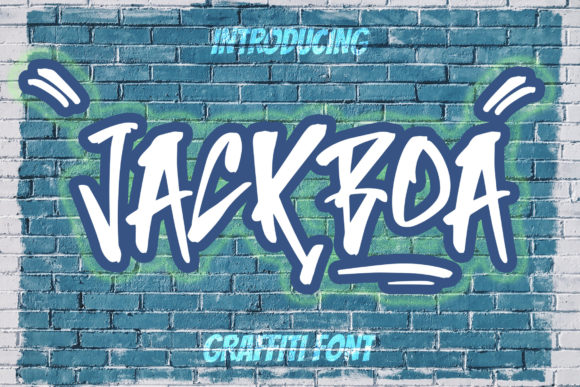
Jackboa is an cool, graffiti-styled display font that has a street art vibe. This distinct aesthetic makes it suitable for designs such as t-shirts, sportswear, logos, advertisements, clothing, and more. However, its utility extends far beyond simple decoration. As we navigate a market that increasingly values authenticity and human connection, Jackboa offers a bridge between the underground culture of street art and the polished expectations of modern commerce.
The Evolution of Urban Aesthetics in Professional Design
Gone are the days when graffiti was viewed strictly as vandalism or niche subculture expression. Over the last two decades, the visual language of the streets has been absorbed into mainstream advertising, fashion, and branding. Consumers, particularly those aged 20 to 50, have developed a sophisticated appreciation for "authenticity." They can spot a forced attempt at being "edgy" from a mile away, but they respond positively to design that feels grounded in real culture.
This shift has changed how professionals approach their workflows. The demand for typefaces that convey movement, rebellion, and creativity without sacrificing legibility has never been higher. Jackboa addresses this specific need. Unlike traditional serif or sans-serif fonts that prioritize neutrality, Jackboa brings personality. It captures the essence of spray paint on concrete—the drips, the bold strokes, and the dynamic angles—while remaining structured enough for commercial application.
The relevance of Jackboa lies in its ability to adapt to changing habits. In a digital-first world, static images are no longer enough. Brands need assets that feel alive. When a user scrolls past a sleek, minimalist website, a logo rendered in Jackboa creates an immediate pause. It signals that the brand understands current trends and isn't afraid to take a risk. This is why it has become a go-to resource for marketers looking to refresh their identity or creators trying to stand out in a saturated feed.
Practical Applications Across Industries
While the artistic merit of a font is important, its practical implications determine its longevity in a designer's toolkit. Jackboa is versatile precisely because it fits seamlessly into various high-impact scenarios. Let's look at how different sectors are leveraging this style.
- Fashion and Sportswear: The clothing industry thrives on identity. Whether it is a limited-edition sneaker drop or a graphic tee for a music festival, the text needs to pop. Jackboa is suitable for designs such as t-shirts and clothing lines because it mimics the hand-painted look that consumers associate with exclusivity and craftsmanship. It adds a layer of texture that flat vector graphics often lack.
- Logos and Branding: Creating a memorable logo requires balancing uniqueness with recognizability. A graffiti-styled display font like Jackboa can serve as the anchor for a brand focused on youth culture, skateboarding, extreme sports, or urban lifestyle. It transforms a standard wordmark into a statement piece.
- Advertisements and Marketing Materials: In the world of print and digital ads, attention is the currency. Advertisements for concerts, nightclubs, or streetwear brands benefit immensely from the energetic vibe of Jackboa. It commands attention in crowded spaces, whether on a billboard or a social media story.
For freelancers and business owners, understanding these applications is crucial. It allows you to pitch concepts that resonate with clients who want to project a specific image. Instead of suggesting a generic script or a blocky sans-serif, recommending Jackboa demonstrates an awareness of the client's target demographic and the cultural context of their product.
Bridging the Gap Between Creativity and Commerce
One of the most significant challenges in modern design is maintaining creative integrity while meeting business goals. Many designers fear that using "street" styles might alienate corporate clients or make a brand look unprofessional. However, the landscape has shifted. Today's decision-makers understand that "cool" is a business asset.
Jackboa serves as a tool for this negotiation. It provides a way to inject attitude into a campaign without resorting to caricature. The key is balance. When used correctly, Jackboa acts as a highlighter, drawing the eye to the most important message. It works best when paired with clean, neutral elements that allow the font to shine without overwhelming the viewer.
Consider the workflow of a blogger or educator creating content about urban culture, art history, or design trends. Using Jackboa in headers or pull quotes can visually reinforce the topic, making the content more engaging and easier to digest. It breaks the monotony of standard text blocks and invites the reader to slow down and engage with the material.
Furthermore, the font supports the growing trend of personalized experiences. In a market where consumers expect brands to speak directly to them, a font that feels human and handmade fosters a stronger emotional connection. It suggests that there are real people behind the brand, putting in the effort to create something unique rather than relying on mass-produced templates.
Strategic Implementation for Creators
For professionals integrating Jackboa into their projects, success depends on strategic implementation. It is not a font meant for body text or long-form reading. Its strength lies in display usage—headlines, posters, packaging, and short slogans. Misusing it for paragraphs would result in poor readability and a cluttered user experience.
To maximize its impact, consider the following practical recommendations:
- Context Matters: Ensure the environment matches the font. A graffiti-style font on a luxury financial website might feel jarring and inappropriate. However, on a streetwear e-commerce site or a music event flyer, it is perfectly aligned with user expectations.
- Contrast and Hierarchy: Use Jackboa to establish a clear visual hierarchy. Pair it with a highly legible, simple font for supporting information. This contrast ensures that the message is both striking and understandable.
- Color and Texture: To fully capture the street art vibe, consider combining Jackboa with textures like grunge overlays, spray paint effects, or vibrant gradients. This enhances the three-dimensional feel of the letters and reinforces the intended mood.
By adhering to these principles, creators can avoid the pitfall of looking "messy" and instead achieve a look that is intentionally curated and professionally executed. This approach aligns with Google's Helpful Content principles, which prioritize user experience and value. A well-designed interface that uses Jackboa effectively improves engagement metrics by making the content more visually appealing and relevant.
The Future of Typography and Cultural Expression
As we look toward the future of design, the lines between digital and physical, professional and amateur, will continue to blur. Technology is making it easier for anyone to create high-quality graphics, raising the bar for what constitutes "good design." In this environment, fonts like Jackboa offer a competitive edge by providing a level of character that is difficult to replicate with standard system fonts.
The trend towards personalized, expressive design is not a fad; it is a reflection of a society that values individuality. Jackboa taps into this sentiment, offering a tool that helps businesses and individuals tell their stories in a way that feels fresh and authentic. Whether it is for a new startup launching a bold product line or a seasoned agency refreshing a legacy brand, the potential for growth is significant.
Ultimately, the power of Jackboa lies in its ability to transform the ordinary into the extraordinary. It reminds us that design is not just about communication; it is about emotion. By embracing the cool, graffiti-styled display font that has a street art vibe, creators can ensure their work resonates deeply with audiences who are hungry for something real. From t-shirts to global advertisements, the impact of a well-chosen typeface can be profound, turning a simple message into a movement.
For those willing to explore the boundaries of conventional typography, Jackboa represents an opportunity to redefine what is possible. It is a testament to the idea that even in a digital age, the raw energy of the streets can find a home in the boardroom, the studio, and the marketplace. As you plan your next project, consider how this font might elevate your vision and connect you with your audience on a deeper level.